Ramp
Building financial accounts for businesses.
Read customer story
An analysis of onchain activity across applications built on Privy

Across applications built on Privy, stablecoins are becoming more prevalent, while fintech wallets show distinct patterns in how they hold and move digital assets.
Four findings stand out, spanning adoption, asset composition, growth, and yield.
60% of recently created Privy wallets hold stablecoins, up from 28% in August 2025. Among fintechs, that share reaches 91%.
84% of fintech asset value sits in single-token wallets, compared with less than 6% in DeFi.
Growth is substantial, but concentrated among a relatively small number of platforms.
Yield has reached significant scale without becoming widespread across fintech applications.
Stablecoins are becoming more prevalent across both crypto-native and fintech applications, but how they're used differs considerably. Across Privy, fintech wallets are increasingly serving as financial accounts, with assets concentrated in stablecoins and a small number of tokens. Some of these products are already operating at significant scale, although growth remains concentrated among a relatively small number of platforms.
Privy provides wallet infrastructure to more than 3,000 companies across 180+ countries, supporting more than 200 million accounts and $25 billion in monthly transaction volume. These wallets allow applications to securely hold and move digital assets, often without users needing to interact with a traditional crypto wallet.
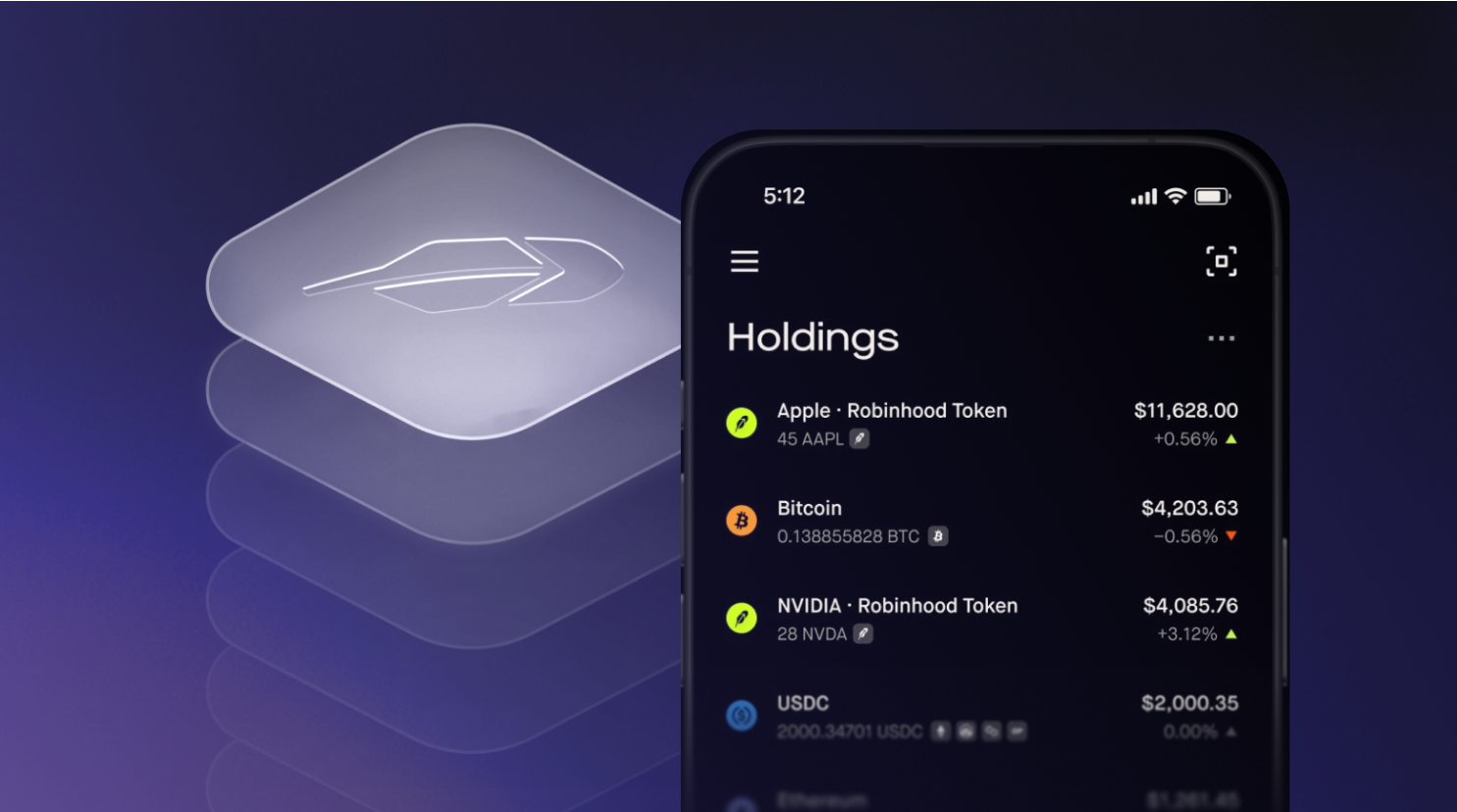
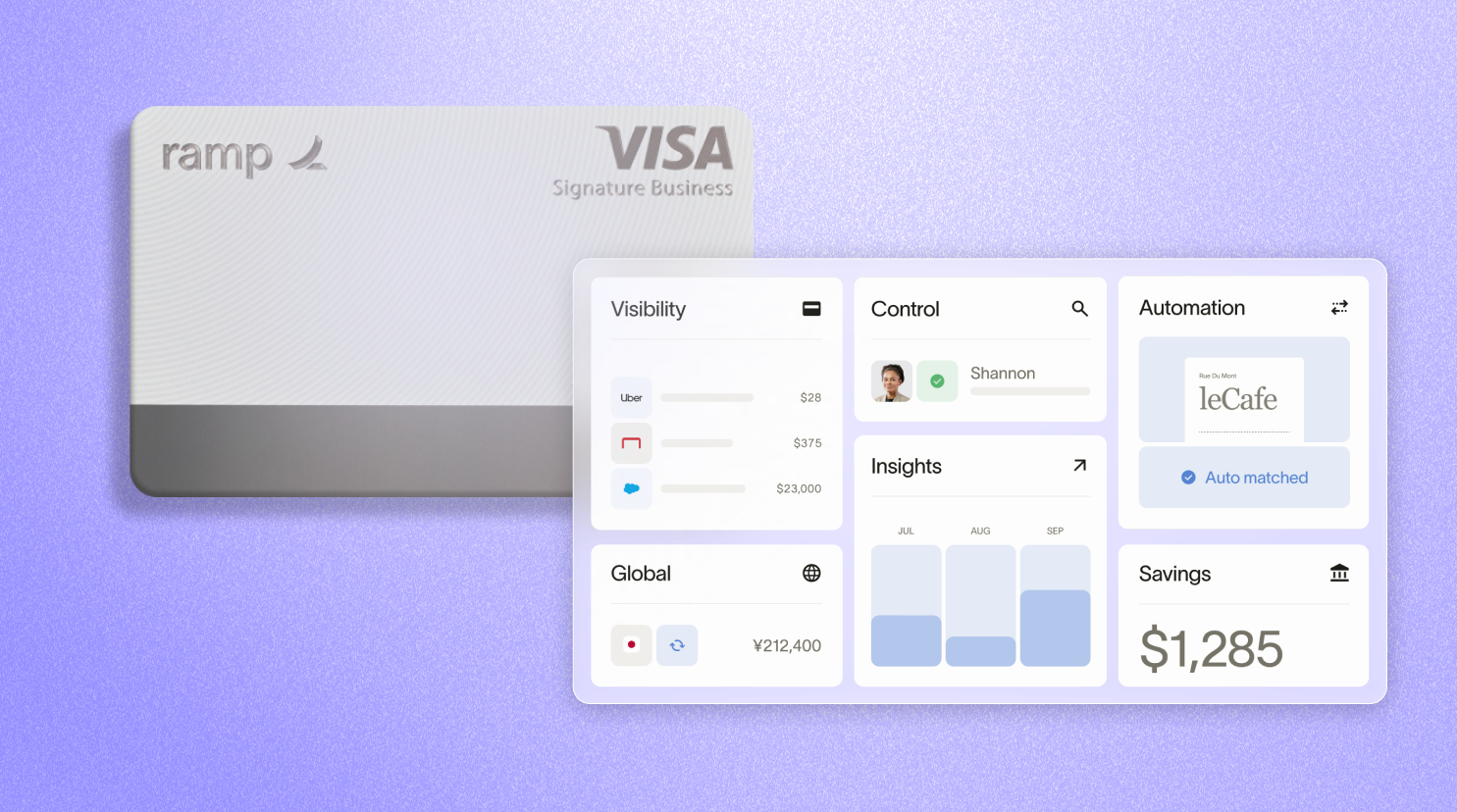
Applications built on Privy span a wide range of use cases. Fintechs use wallets to power consumer and business financial products, from global payroll with Deel and business accounts with Ramp to investing with Robinhood. Decentralized finance (DeFi) applications use wallets for activities such as trading, lending, and borrowing. Other applications span gaming, AI, and consumer experiences.
We've analyzed aggregated onchain activity across these applications to understand how they're using digital assets. This report focuses on fintech, examining what wallets hold, how they transact, and where activity is reaching meaningful scale.
By comparing fintech with DeFi and other applications built on Privy, we can identify how usage patterns differ across financial products built on the same underlying infrastructure.
Observation window: May 2025 to September 2026
Chains: Tempo, Ethereum, Base, Arbitrum, Solana, and others
Metrics: Wallet creation, balances, asset composition, transaction
count, and transaction volume
Stablecoins are becoming more prevalent across applications built on Privy, but adoption is particularly pronounced among fintechs.
Fintech transactions look different from those in DeFi, with a greater share of large transfers accounting for much of the value moving onchain.
What wallets hold can tell us as much as how they transact. Fintech wallets tend to hold fewer types of assets, with a much greater emphasis on stablecoins.
Assets held in fintech wallets have grown rapidly in 2026, although much of that growth remains concentrated among a relatively small number of platforms.
Yield-generating assets now represent a substantial share of value held in fintech wallets, even as adoption remains limited to a small percentage of fintech customers.
Taken together, the findings reveal distinct patterns in how fintech applications use onchain infrastructure, from holding stablecoin balances to moving large amounts of value and offering yield.
Fintech wallets are heavily concentrated in stablecoins and a small number of tokens, consistent with financial products designed around holding and moving money rather than managing diversified crypto portfolios.
Some fintech applications are already operating at significant scale, but much of the growth in balances and transaction activity remains concentrated among a relatively small number of platforms.
Yield-generating assets account for most of the value held in fintech wallets, although relatively few fintech companies building on Privy currently hold these assets.
Together, these patterns illustrate how wallets can support a growing range of financial products alongside crypto-native applications. As the wallet infrastructure behind these applications, Privy gives us a window into how that activity is evolving.
The report examines aggregate onchain activity. These customer stories offer examples of the financial products being built on Privy.
Building financial accounts for businesses.
Read customer storyEnabling global payroll and financial access.
Read customer storyBringing digital assets into mainstream financial products.
Read customer storyPrivy provides secure, scalable wallet infrastructure connected to the broader financial stack, making it easier to build global financial products, from payments and accounts to treasury and yield.
This section outlines the data sources, classifications, and definitions used throughout the report, along with important limitations to consider when interpreting the findings.
This report analyzes anonymized onchain activity across wallets created using Privy's infrastructure between May 2025 and September 2026. The dataset covers supported blockchain networks, including Tempo, Ethereum, Base, Arbitrum, and Solana, and represents activity across applications built on Privy rather than the broader onchain market.
Wallet balances, asset holdings, and transaction activity are sourced from Privy's internal analytics pipeline, which aggregates activity across supported networks.
Applications are classified into industry segments, including fintech, DeFi, AI, gaming, and social and consumer applications. Classification uses an LLM-based analysis of company domains and website content, supplemented by human review. Classifications are periodically updated as new companies onboard.
Applications are grouped according to their primary product offering. These categories are analytical classifications, not mutually exclusive descriptions of functionality — for example, a fintech application may integrate DeFi services. For this report, we group applications into three comparison segments:
Fintech: Consumer and business financial applications, including payments, payroll, financial accounts, treasury, exchanges, brokerages, and investing platforms.
DeFi: Decentralized finance applications providing onchain financial services, including trading, lending, borrowing, and liquidity provision.
Rest of Privy: Applications outside the fintech and DeFi classifications, including AI, gaming, social and consumer applications, and other use cases.
The findings reflect activity across applications built on Privy and should not be interpreted as estimates of the entire fintech or stablecoin market. Aggregate balances and transaction volumes can be heavily influenced by a small number of large platforms. Onchain activity also does not always reveal the underlying purpose of a transaction, so references to payments, treasury, or other financial workflows are contextual interpretations rather than transaction-level classifications.
Get research and insights on stablecoins, digital assets, and the financial products shaping the future of money.
You're subscribed. Thanks for following along.
By subscribing, you agree to receive updates from Privy. See our Privacy Policy.